bymubbashir
This article is well researched and have some some affiliate links in it if you made purchase through our link we will get commission .
10 Hidden Gem Cities in Europe for a Sustainable 2026 Escape
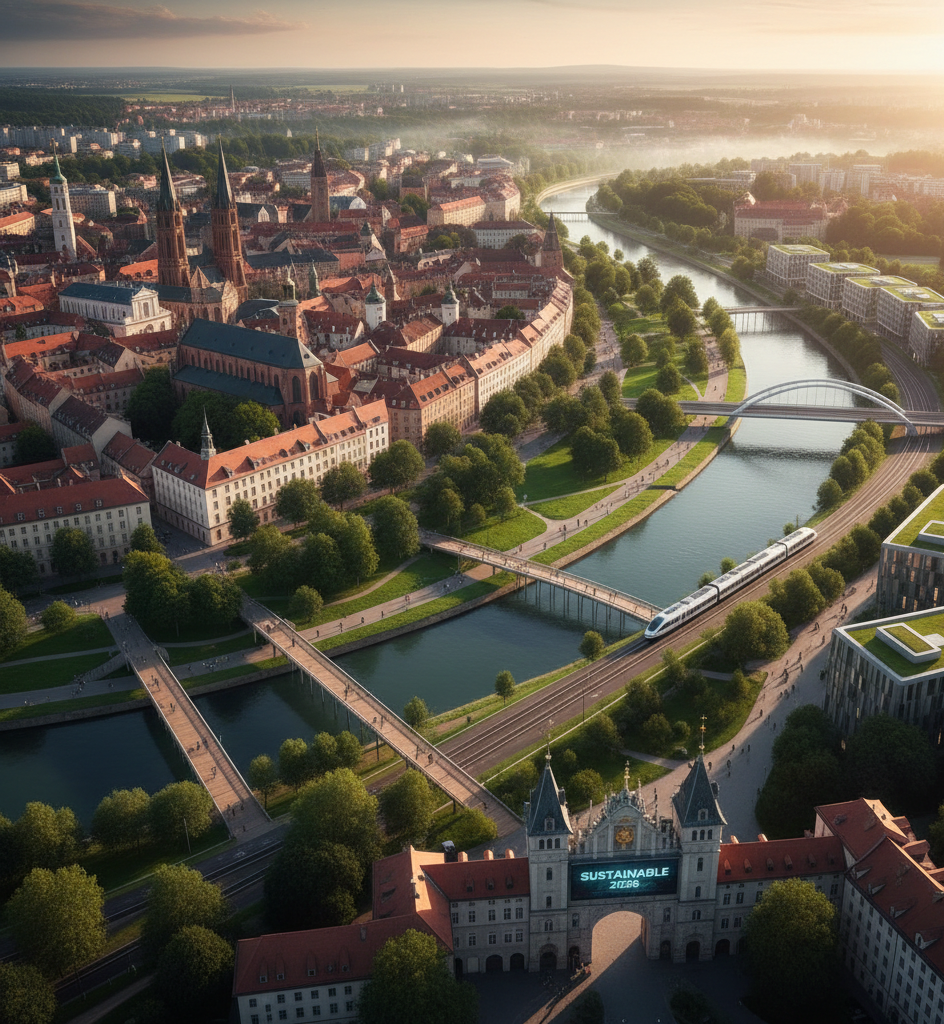
Looking for authentic European travel in 2026 without the crowds? As responsible travelers increasingly prioritize conscious exploration, discovering less-trodden paths becomes key. Overtourism impacts local communities and the environment, so let’s shift our focus to sustainable travel destinations that offer rich cultural experiences without the heavy footprint.
Forget the usual suspects and dive into Europe’s best-kept secrets. These hidden gem cities are perfect for an eco-friendly escape, offering charm, history, and unique experiences for the conscientious traveler. Get ready to uncover your next unforgettable adventure!
The Green Capital of the Black Forest
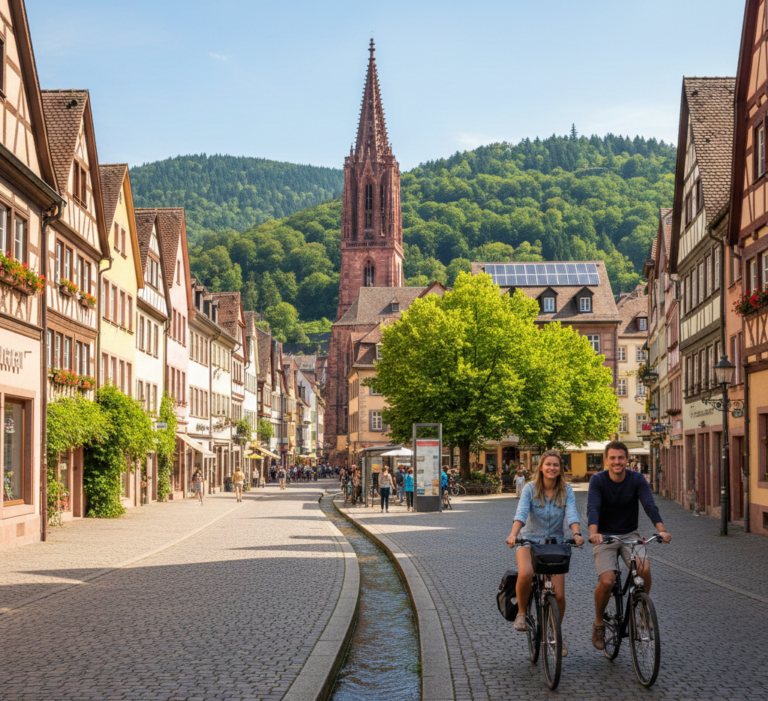
Freiburg isn’t just a pretty face; it’s a pioneer in urban sustainability. Nestled on the edge of the Black Forest, this city boasts incredible bike infrastructure, extensive solar energy use, and a commitment to green living. Explore its charming old town with its famous Bächle (small water-filled gutters), visit the eco-district Vauban, and enjoy local, seasonal cuisine. It’s an ideal spot for eco-conscious tourists seeking inspiration.
Europe's Verdant Capital
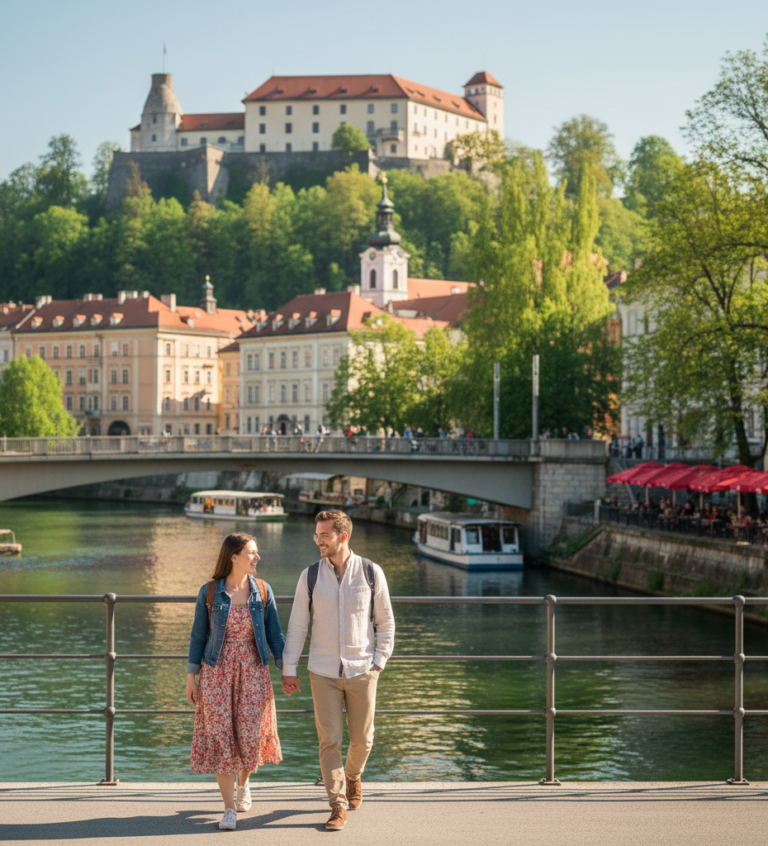
Crowned the European Green Capital in 2016, Ljubljana continues to lead with its pedestrianized city center, thriving public transport, and abundant green spaces. Wander along the Ljubljanica River, explore the stunning Ljubljana Castle, and indulge in farm-to-table dining. This green city break destination is perfectly sized for exploring on foot or by bike, minimizing your carbon footprint effortlessly
Beyond Amsterdam: Canals and Culture
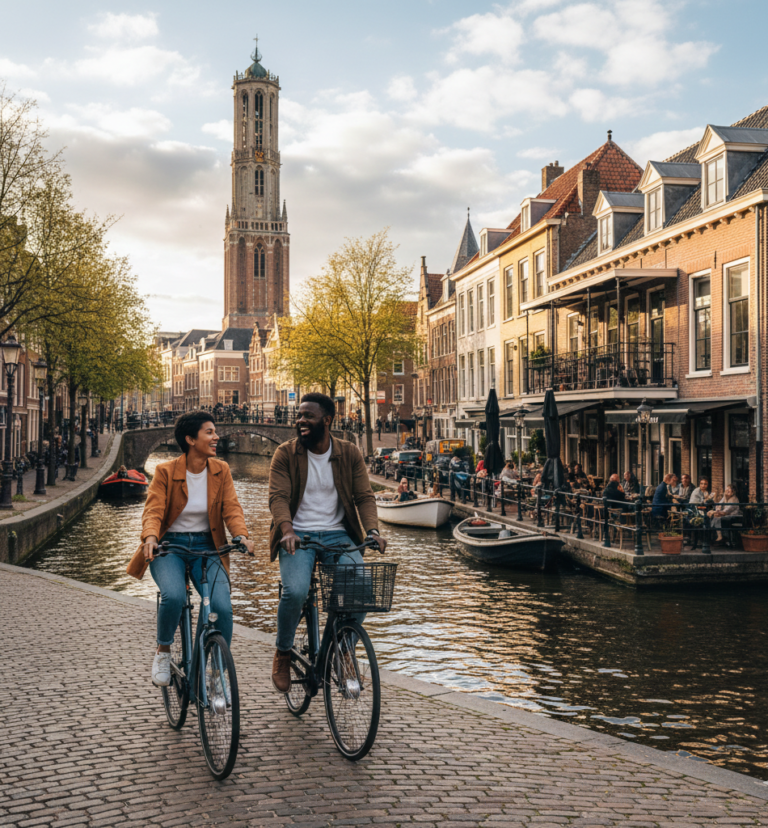
While everyone flocks to Amsterdam, Utrecht offers similar canal charm with a much calmer vibe. This university city is a hub for cyclists and boasts unique wharf-level cafes and restaurants. Its central location makes it an excellent base for exploring the Netherlands sustainably by train. Discover the iconic Dom Tower and soak in the vibrant, local atmosphere—a true unspoiled European destination.
Medieval Beauty with a Modern Green Heart
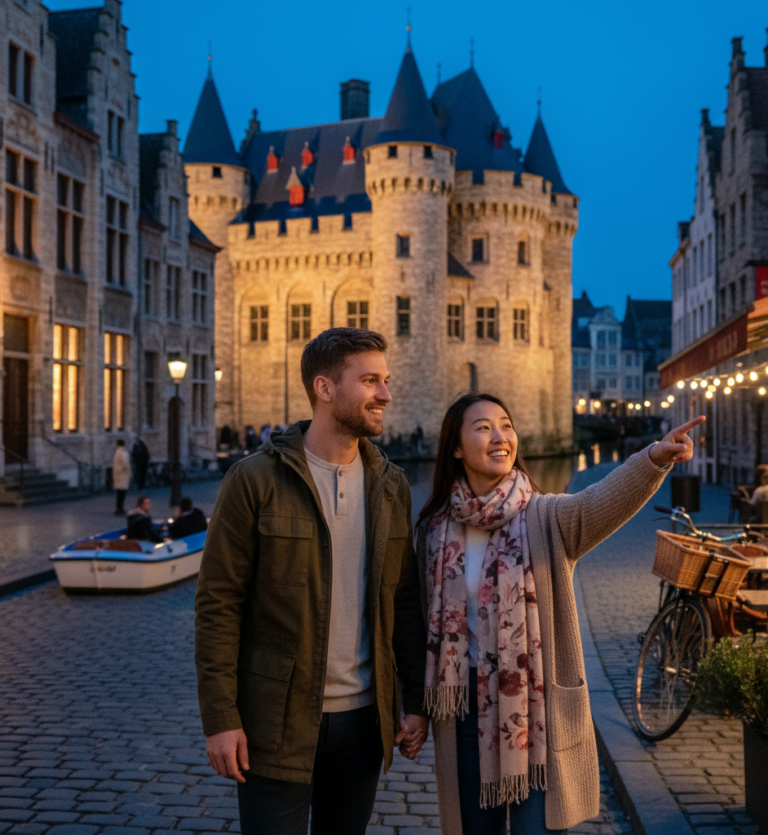
Ghent is a fantastic alternative to Bruges, offering stunning medieval architecture, picturesque canals, and a lively cultural scene, all with a strong commitment to sustainable urban living. It’s renowned for its vegetarian-friendly initiatives and car-free city center, making it a perfect spot for slow travel in Europe. Don’t miss the Gravensteen Castle and the Ghent Altarpiece.
Coastal Charm and Authentic Flavors
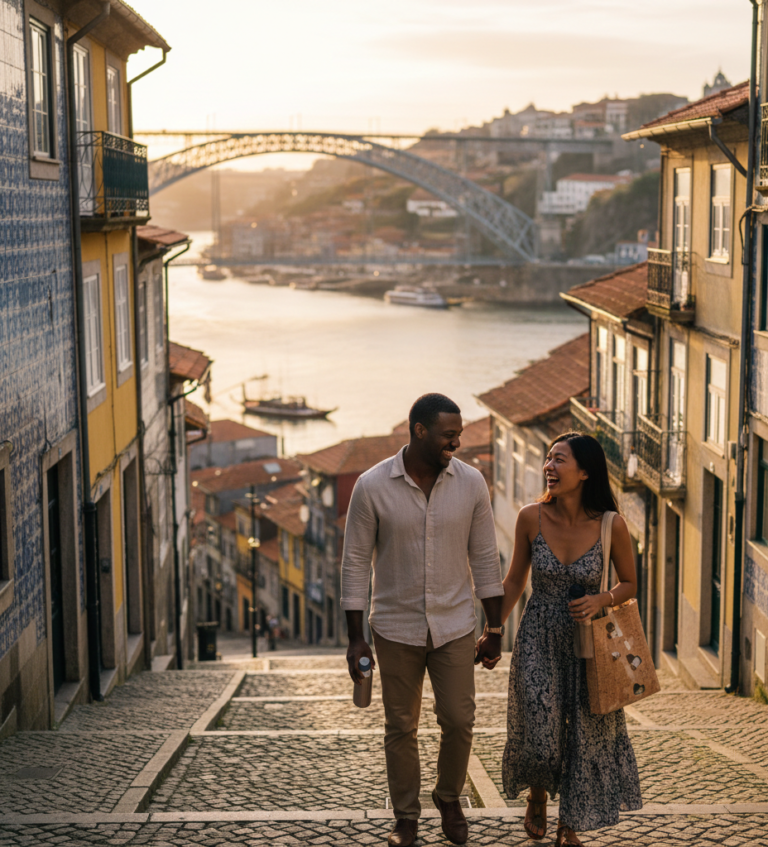
Porto, with its iconic Ribeira district and stunning bridges, offers a vibrant taste of Portugal without the overwhelming crowds of Lisbon. Explore historic cellars along the Douro River, ride the charming old trams, and savor delicious local cuisine. Its compact size encourages walking, making it an excellent choice for responsible tourism and an authentic cultural experience.
Italy's Culinary Heart, Unhurried
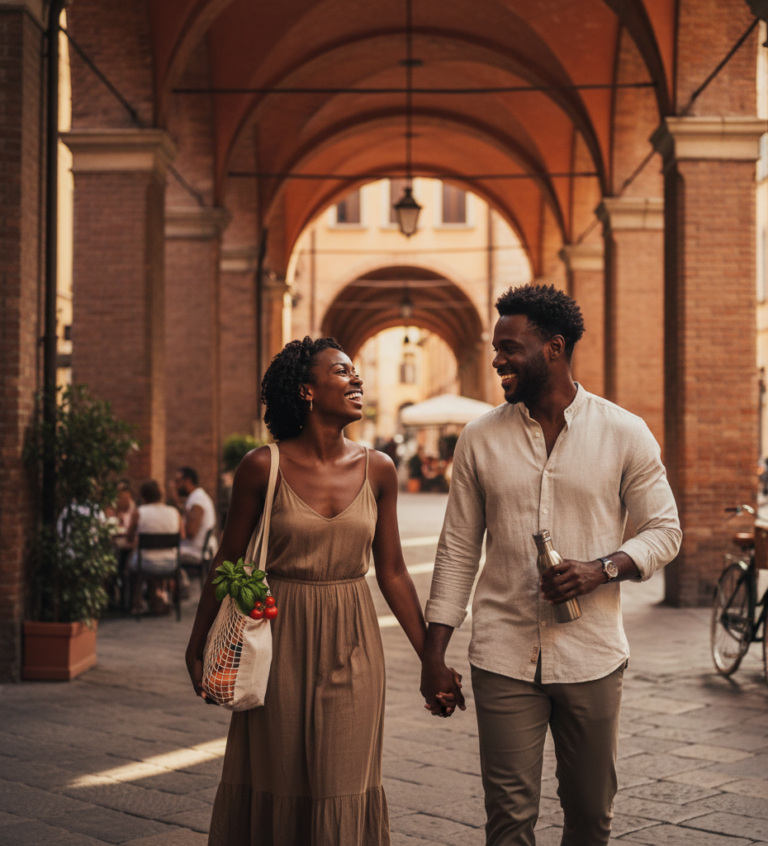
Skip Rome and Florence for the gastronomic delights of Bologna, a city renowned for its porticoes, historic university, and incredible food scene. It’s a fantastic spot for food tourism that emphasizes local produce and traditional methods. The city is easily explored on foot or by bike, making it one of the best sustainable cities in Italy for a truly authentic experience.
Baroque Beauty and Forested Retreats
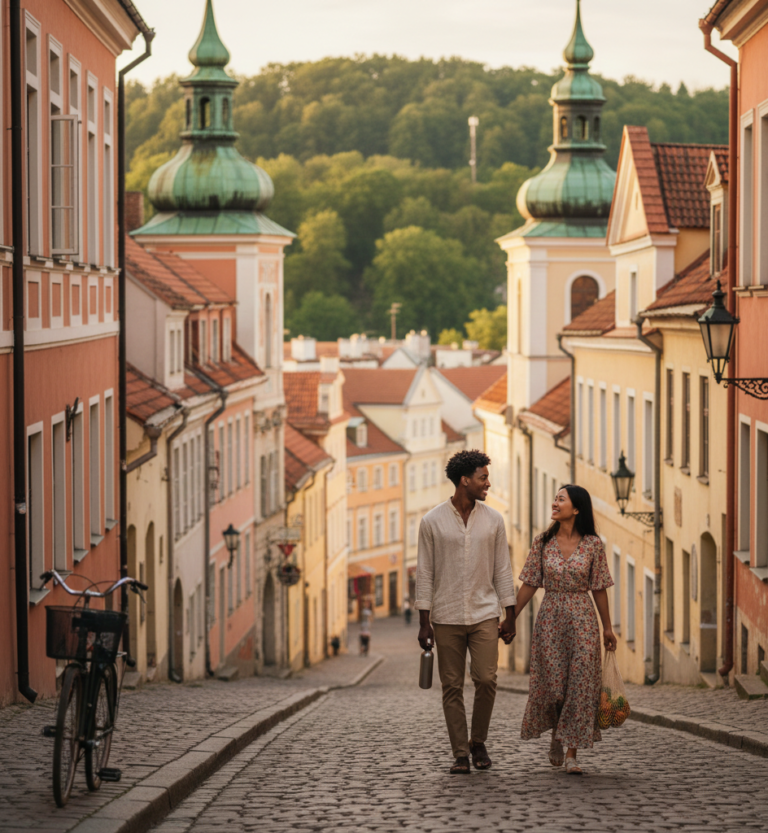
Vilnius offers one of Europe’s largest medieval old towns, a UNESCO World Heritage site, yet remains refreshingly uncrowded. With vast urban forests and a thriving vegan food scene, it’s increasingly popular for ethical tourism. Explore its stunning Baroque architecture, the unique self-declared Republic of Užupis, and enjoy the tranquil atmosphere of a truly undiscovered European city
Culture, Music, and the Danube
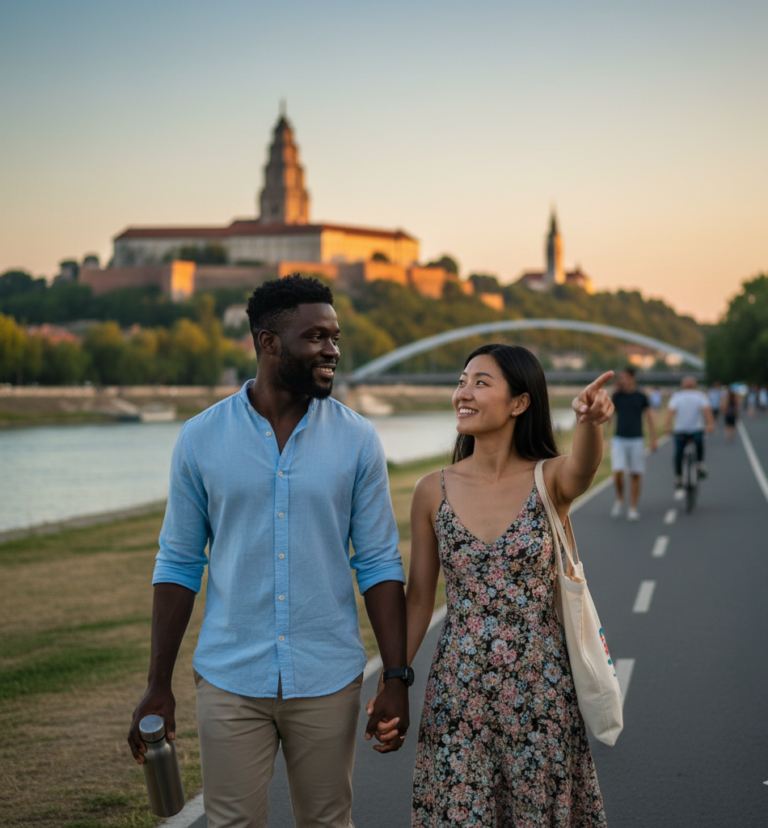
Novi Sad, European Capital of Culture in 2022, offers a vibrant arts scene, stunning Austro-Hungarian architecture, and the iconic Petrovaradin Fortress overlooking the Danube. It’s a city where culture meets nature, with plenty of parks and riverside paths to explore. Enjoy local hospitality and a rich history away from the typical tourist routes – a perfect sustainable European city break.
UNESCO Heritage and Modern Design
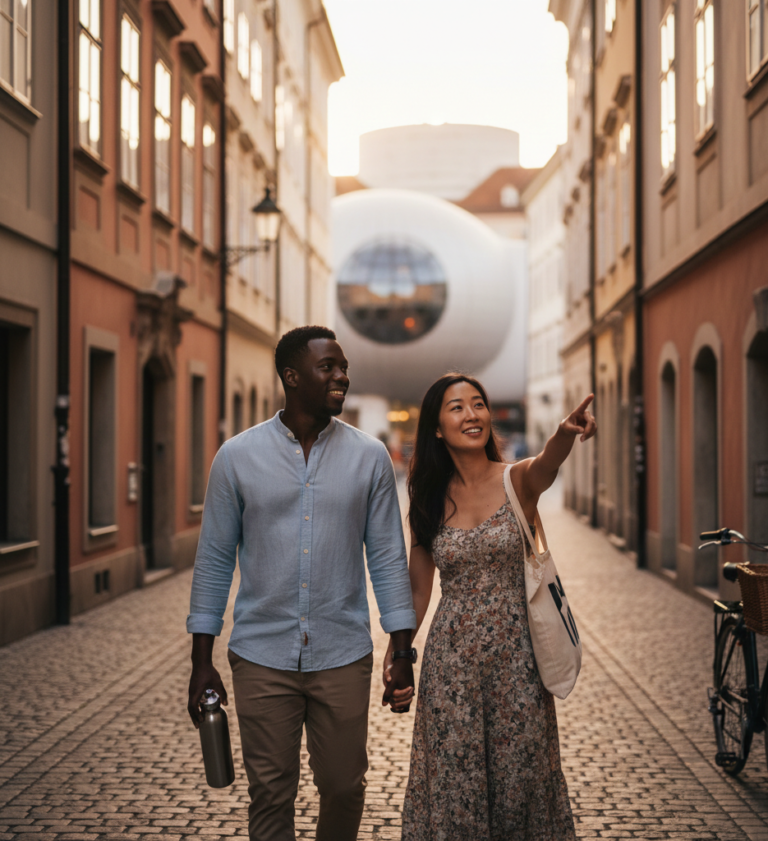
Graz combines a magnificent UNESCO World Heritage Old Town with innovative modern architecture and a strong focus on sustainable living. Known as a “City of Design,” it also boasts a fantastic culinary scene and lush green spaces. Its walkability and excellent public transport make it an ideal eco-friendly European destination for art and history lovers.
Scandinavian Innovation Meets Coastal Charm
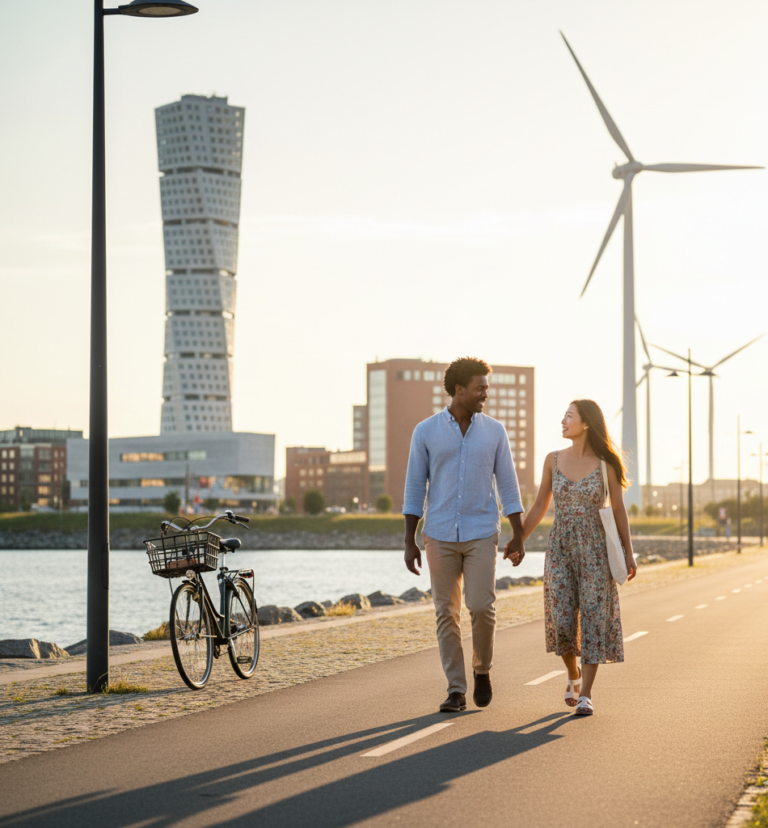
Malmö is the ultimate poster child for urban regeneration. Once an industrial shipbuilding hub, it has transformed into one of the most sustainable cities in the world. The city is famous for its Western Harbour (Västra Hamnen) district, which is powered by 100% renewable energy and features the iconic “Turning Torso” skyscraper.
For the eco-conscious traveler, Malmö is a dream. It is incredibly bike-friendly—boasting over 500 kilometers of cycling paths—and almost all of its public buses run on renewable energy.
Why it’s a 2026 Hidden Gem:
The Food Scene: Malmö is a melting pot of over 170 nationalities. You’ll find “Zero Waste” restaurants and a world-class “New Nordic” culinary scene that prioritizes hyper-local, foraged ingredients.
Green Spaces: Visit Slottsträdgården, an organic community garden where you can pick your own vegetables or enjoy a fika (coffee break) at the solar-powered cafe.
Ribersborg Beach: Just a short walk from the city center, you can take a dip in the sea and visit the historic “Kallbadhuset” (open-air public bath) for a truly authentic Swedish wellness experience.
🌍 How to Stay Sustainable While You Explore
To ensure your 2026 trip leaves a positive impact, keep these three tips in mind:
Choose Rail Over Air: Most of these cities are connected by Europe’s expanding high-speed rail network. A train journey from Utrecht to Ghent, for example, emits a fraction of the CO2 of a flight.
Support Local Artisans: Instead of mass-produced souvenirs, look for local markets. In cities like Bologna and Vilnius, buying handcrafted goods directly supports the local economy.
Pack a Zero-Waste Kit: 2026 is all about the “Circular Suitcase.” Bring a high-quality water filter bottle, reusable utensils, and solid toiletries to eliminate plastic waste