
Kyoto 2026: A Journey Through the Timeless Heart of Japan
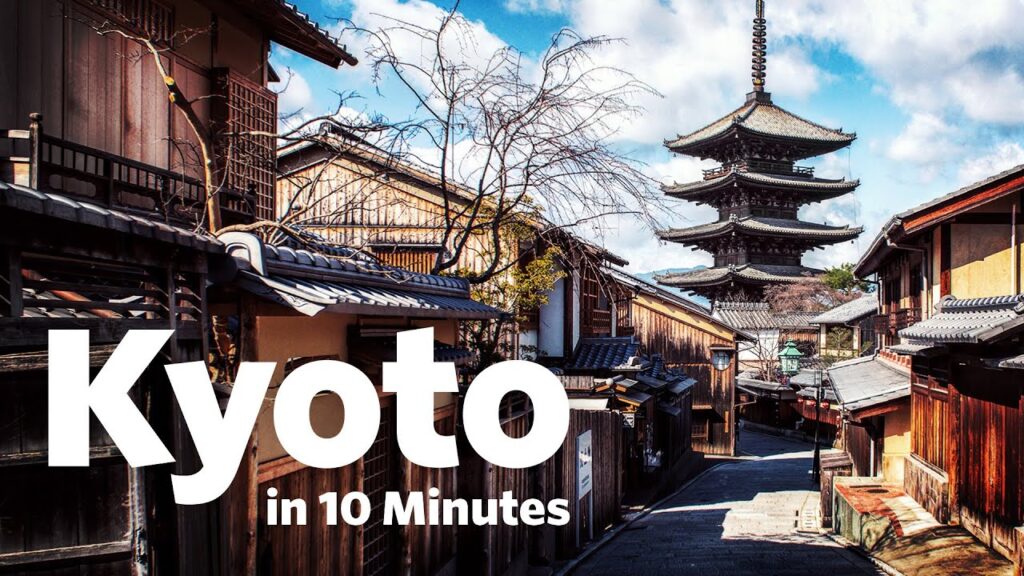
The Best Time to Visit: A Guide for International Tourists
For international travelers planning their 2026 adventure, timing is everything. While Kyoto is a year-round destination, two seasons stand out as the absolute peak for beauty:
Spring (March to May): This is the most iconic time to visit. The cherry blossoms (Sakura) usually peak in early April, turning the city into a soft pink dreamscape. May is a “hidden gem” month—the weather is warm, the crowds thin out, and the “new green” of the maple trees is incredibly vibrant.
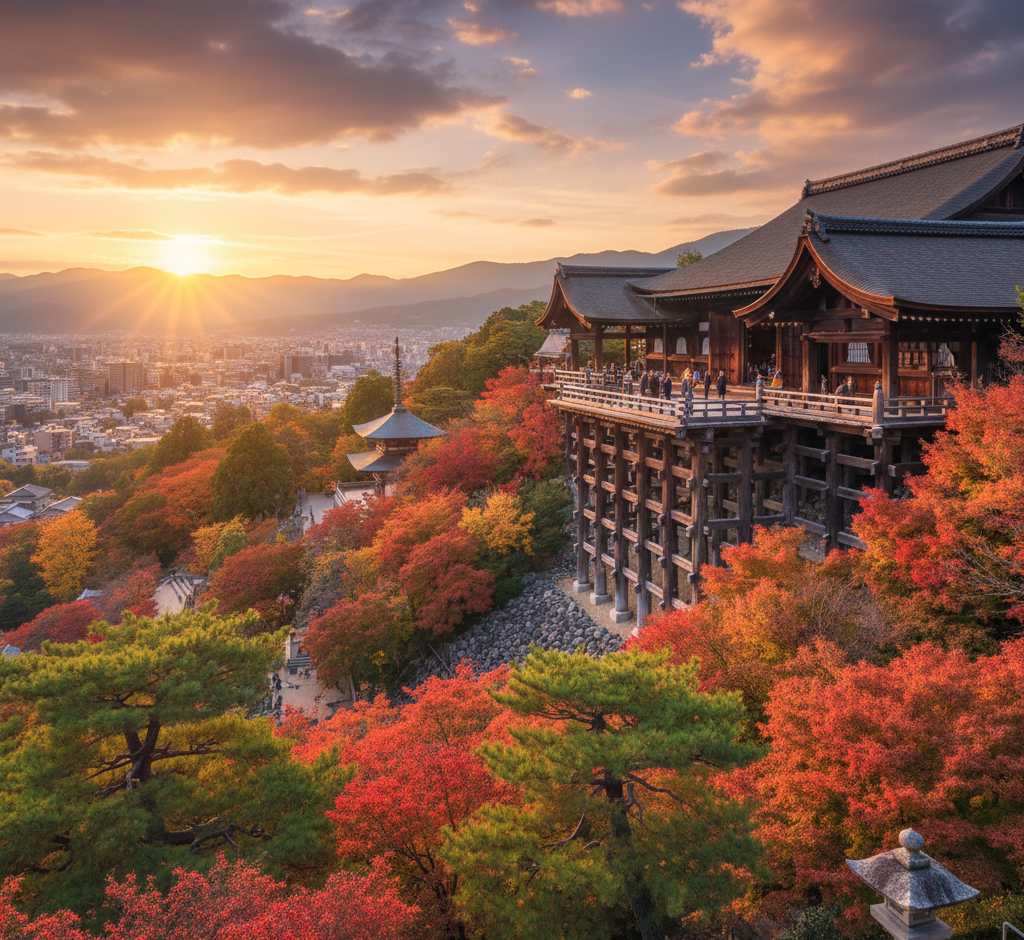
Autumn (October to November): If you prefer fiery reds and deep oranges, late November is spectacular. The autumn foliage at temples like Eikan-do is world-famous.
Pro Tip: If you want to avoid the “overtourism” crowds of 2026, consider February. It’s chilly, but seeing the Golden Pavilion dusted in snow with almost no other tourists around is a spiritual experience you can’t buy in April.
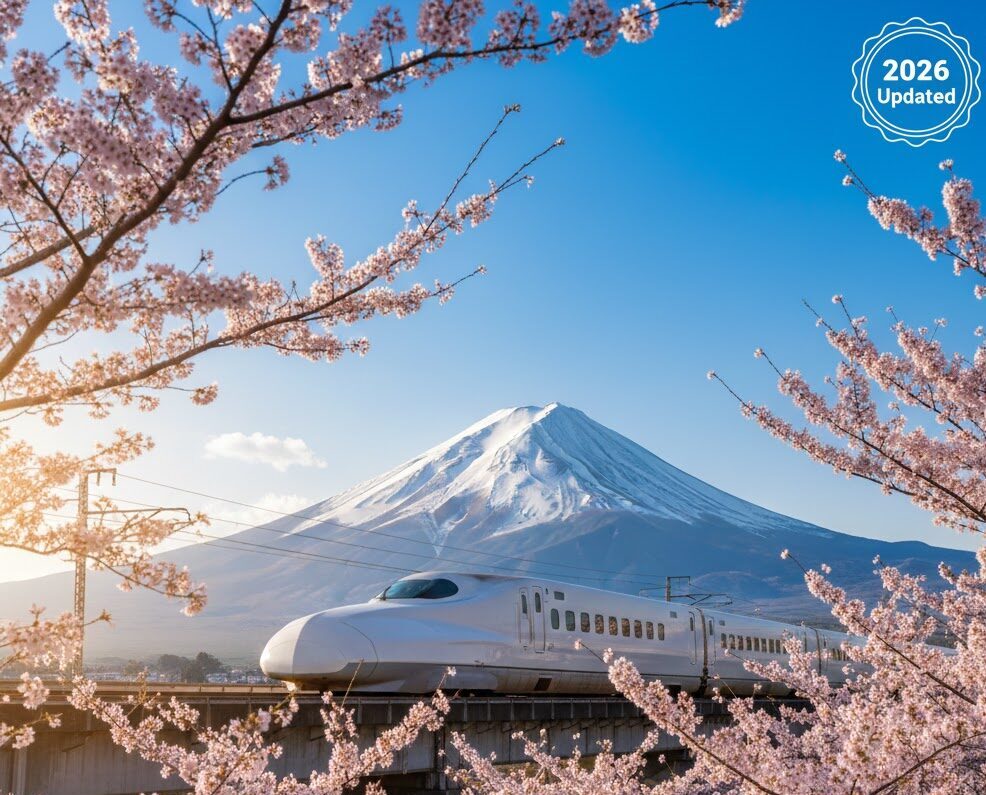
Kyoto Japan
Introduction
While Tokyo races toward the future with gravity-defying skyscrapers and neon lights, Kyoto remains the serene, steady heartbeat of Japanese tradition. Once the imperial capital for over a millennium, this city isn’t just a collection of shrines; it is a living museum. In 2026, as travel becomes more about “meaning” than just “sightseeing,” Kyoto stands as the ultimate destination for the soul-searcher.
To walk through the Gion district at dusk is to feel the veil of time thinning. You hear the clatter of geta (wooden sandals) on stone paths and catch the scent of incense drifting from a centuries-old altar. But Kyoto is also a city of secrets—hidden moss gardens, quiet tea houses tucked behind sliding paper doors, and craftsmen who have spent decades perfecting a single ceramic bowl. This guide will show you how to navigate the icons and find the hidden stillness in between.
The Big Three: Must-See Kyoto Icons
Even if you only have 48 hours, these three landmarks are non-negotiable. They are the pillars of Kyoto’s identity:
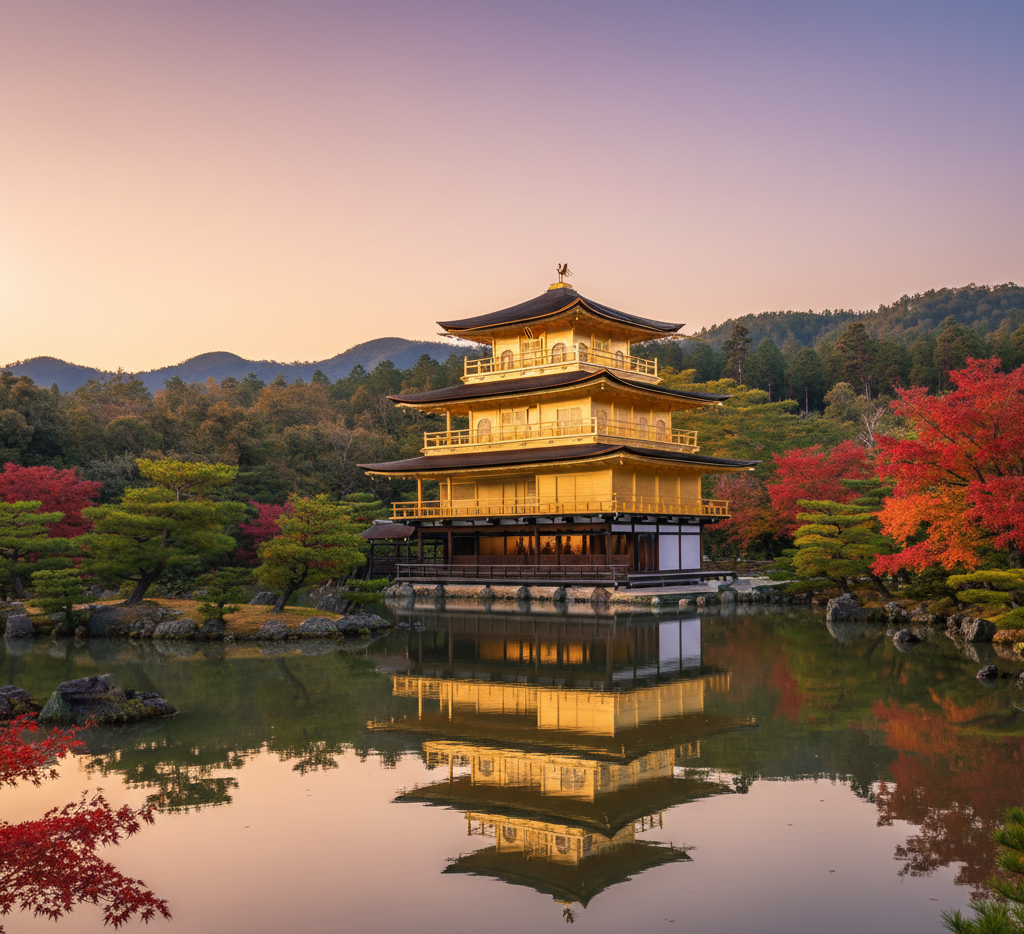
Kinkaku-ji (The Golden Pavilion): This Zen temple is literally covered in gold leaf. In the morning light, its reflection in the “Mirror Pond” is breathtaking. It represents the extravagant “Kitayama culture” of the 14th century.
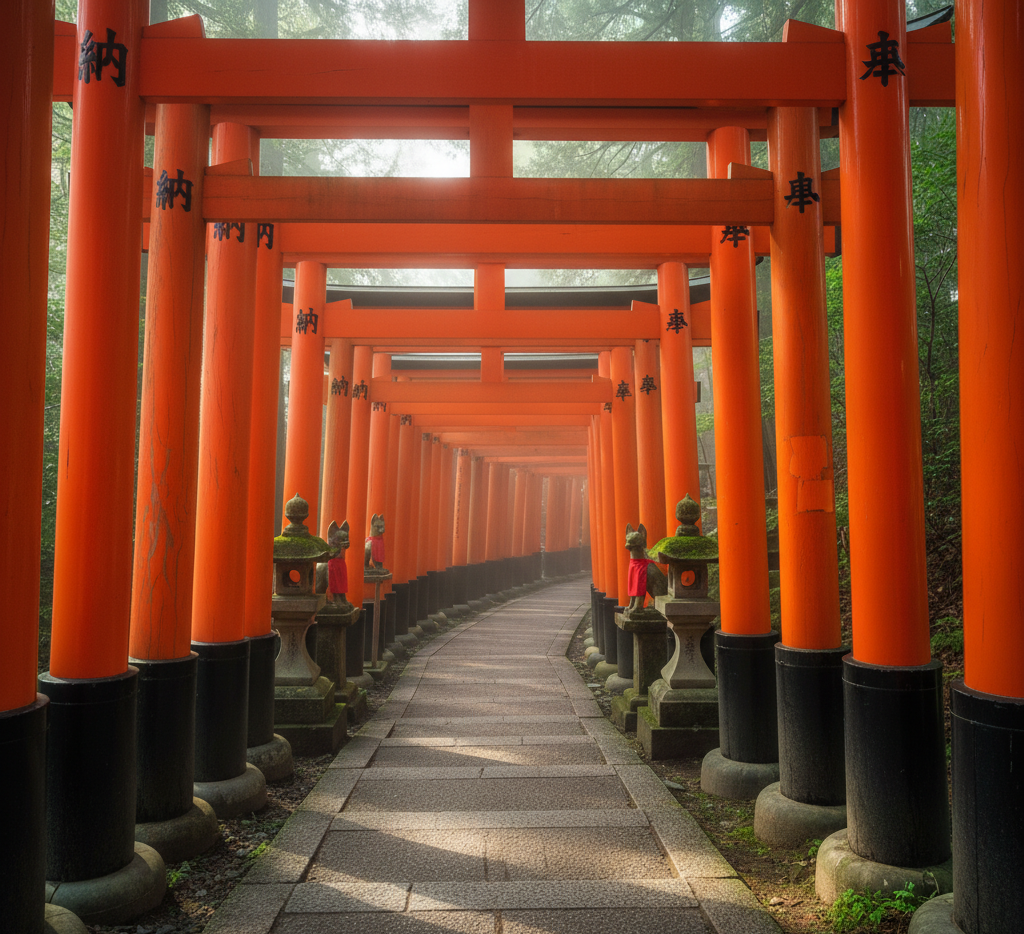
Fushimi Inari-taisha: Famous for its thousands of vermillion torii gates, this shrine dedicated to the god of rice involves a winding hike up Mount Inari. SEO Tip: Arrive before 7:00 AM to get those famous “empty path” photos for your social media.
Kiyomizu-dera: Built without a single nail, this massive wooden temple offers a “stage” with a panoramic view of the city. Drinking from the Otowa Waterfall below is said to grant wishes for health, longevity, or succes
The Zen of Kyoto: Gardens & Meditation
Kyoto is the birthplace of the “dry landscape” or rock garden. At Ryoan-ji, you’ll find 15 mysterious rocks set in raked white gravel. The trick? From any vantage point, at least one rock is always hidden—a lesson in the Zen philosophy that we can never see the “full truth” of the universe at once.
For a deeper connection, visit Gingaku-ji (The Silver Pavilion) for its meticulous sand sculptures, or head to the Arashiyama Bamboo Grove. Walking through the towering green stalks as they sway in the wind creates a natural “soundscape” that is officially recognized by the Japanese Ministry of Environment.

Gion & the Geisha Culture: Etiquette for 2026
The Gion district is the center of the Geiko (Geisha) and Maiko (Apprentice) world. In 2026, new regulations are in place to protect the privacy of these artists.
The Rule: Stay on public streets like Hanamikoji. Do not enter small private alleys marked with “No Entry” signs.
The Etiquette: Never touch a Geiko or block her path for a photo. They are working professionals on their way to appointments. The best way to experience this culture is to book a Maiko tea ceremony or watch a performance at Gion Corner.
A Culinary Journey: From Street Food to Kaiseki
You haven’t truly experienced Kyoto until you’ve tasted it.
Nishiki Market: Known as “Kyoto’s Kitchen,” this 400-year-old market is perfect for snacking on grilled soy-glazed squid, matcha croquettes, and tamagoyaki (rolled omelet).
Kaiseki Dining: This is the pinnacle of Japanese haute cuisine. It’s a multi-course meal where each dish is a work of art, designed to reflect the current micro-season.
Tea Ceremony: Join a traditional ritual in a wooden machiya house. Learning to whisk your own bitter matcha to pair with a sweet wagashi is the ultimate way to slow down.
Conclusion: Making Memories in 2026
Kyoto isn’t a city you “check off” a list; it’s a city that stays with you. Whether it’s the sound of a temple bell at dusk or the quiet beauty of a moss-covered stone, Kyoto invites you to stop rushing and start noticing. As you plan your 2026 journey, remember that the best sights aren’t always the biggest—they are the quiet moments of “wa” (harmony) found in the corners of this ancient capital.