
"Where Earth Meets Heaven."
Gilgit Baltistan the Heart Touching Place Of Pakitan.
Beautiful Places In Gilgit Baltistan
Introduction
The Roof of the World is Calling
There are places you visit, and then there are places that change who you are. Gilgit-Baltistan, tucked away in the embrace of the Karakoram, Himalaya, and Hindu Kush ranges, is the latter. Often called the “Jewel of Pakistan,” this isn’t just a travel destination; it is a sanctuary where the earth reaches up to touch the heavens.
For the international traveler, GB is the world’s last great frontier. It is a land where jagged, snow-capped peaks like K2 and Rakaposhi stand as silent sentinels over valleys filled with blooming apricot trees and turquoise glacial lakes. But the true magic of Gilgit-Baltistan isn’t found in its geography—it’s found in its soul. It’s in the steam of a cup of “Tumuro” tea offered by a stranger in Hunza, the echoes of ancient Silk Road stories in Skardu, and a brand of hospitality so pure it makes the rest of the world feel noisy.
Whether you are seeking the adrenaline of the world’s highest altitudes or the deep silence of a mountain sunset, Gilgit-Baltistan doesn’t just meet your expectations—it humbles them. Welcome to the edge of the map. Welcome to the Roof of the World.
Gilgit Baltistan Location
Located at the spectacular intersection of South and Central Asia, Gilgit-Baltistan serves as the crown of northern Pakistan, where the world’s three most formidable mountain ranges—the Karakoram, Hindu Kush, and Himalayas—collide in a dramatic display of geological power. This “Meeting Point of Giants” is bordered by China to the north via the record-breaking Khunjerab Pass, Afghanistan’s narrow Wakhan Corridor to the west, and the majestic peaks of Ladakh to the southeast. It is a high-altitude sanctuary anchored by the legendary Karakoram Highway, providing international adventurers a gateway to the greatest concentration of 8,000-meter peaks on Earth, including the “King of Mountains,” K2.
Why It is Considered the Safest Region
1. Negligible Crime Rate
Local police reports often show near-zero crime rates against tourists. In many districts like Ghanche and Hunza, it is common for locals to leave their doors unlocked. International bloggers often highlight that “theft is virtually non-existent,” and personal safety is a point of honor for the local population.
2. The Culture of “Guest is God”
In GB, hospitality isn’t just a service; it is a deep-rooted cultural and religious value. International travelers frequently report that if they get lost or stranded, locals will often offer food and shelter without expecting payment. This community-based security acts as a natural “guard” for visitors.
3. Specialized Security Infrastructure
To protect the growing number of international tourists, the government has implemented:
Tourist Police: A dedicated force focused solely on assisting and protecting visitors.
Safe Tourism Zones: Many areas in Skardu and Hunza have been designated as “Safe Zones” with enhanced monitoring and biometric checks at entry points to ensure peace.
SCOM Connectivity: A specialized telecom network ensures that even in remote valleys, tourists have access to emergency communication.
4. Higher Literacy and Progressive Society
Gilgit-Baltistan, particularly the Hunza Valley, boasts some of the highest literacy rates in the country (up to 98% in some villages). This has created a modern, educated society that is highly tolerant, values cultural exchange, and is accustomed to interacting with people from all over the world.
Major International Endorsements
CNN Travel: "Top 25 Destinations for 2025/2026"
CNN recently highlighted Gilgit-Baltistan (GB) as a “must-visit” for international tourists. The report emphasizes that while the geography is rugged and “dangerously beautiful” (referring to peaks like K2), the social environment is remarkably stable. CNN notes that the rise in organized, fully-supported expeditions has made the region’s “Little Tibet” (Baltistan) accessible and safe for Westerners
Condé Nast Traveler: "The Best Holiday Destination"
Condé Nast Traveler has repeatedly ranked Pakistan, specifically its northern territories, at the top of its lists. Their 2026 insights focus on the ease of travel through the E-Visa system and the high literacy rates in areas like Hunza, which directly correlates to lower crime and a more progressive, welcoming atmosphere for foreigners.
Best Hotels In Gilgit Baltistan
Hunza Serena Hotel
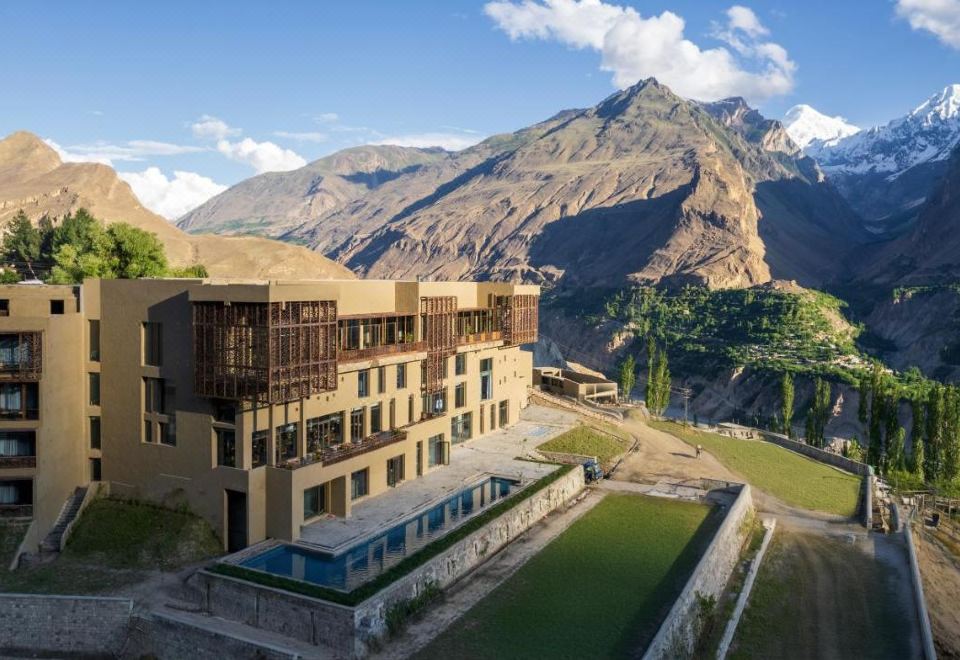
The Hunza Serena Hotel is a premium 5-star destination located in Karimabad. It is renowned for its blend of traditional architecture and modern luxury.
Key Features: It offers stunning rooms and luxury tents with direct views of the Ultar Sar, Ladyfinger Peak, and the Hunza Valley below.
Experience: Known for its lush gardens and high-end dining, it provides a “serene” escape for travelers seeking professional service and the most comfortable stay in the region
Dumani Nagar Hotel & Resort
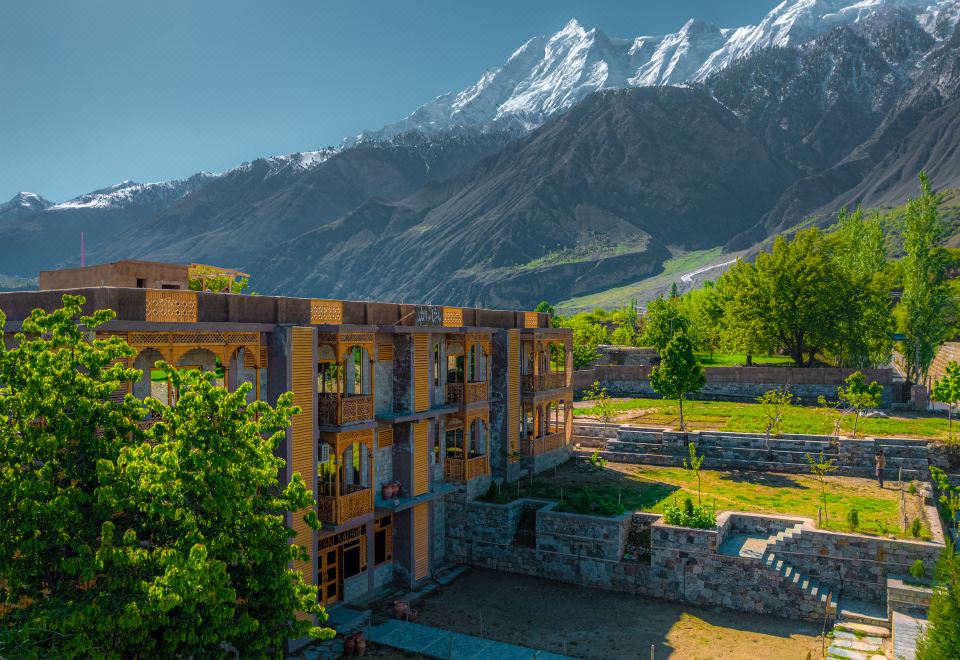
Located near the Rakaposhi View Point in Ghulmet, this resort is perfect for those who want to be right at the foot of the giants.
Key Features: The resort is designed to give guests an up-close experience with nature. It features traditional stone and woodwork that reflects the local heritage.
Experience: It is the ideal choice for travelers heading further north or those who want to wake up to the sight of the “Shining Wall” (Rakaposhi) right outside their window.
Road & Story Hotel & Resort
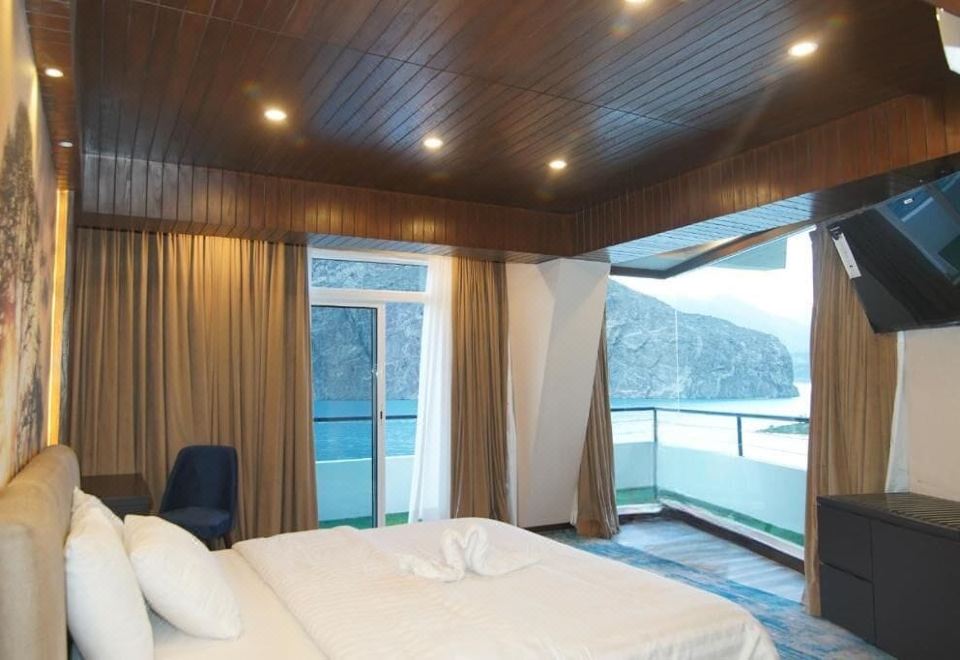
Road & Story is a contemporary and vibrant hospitality brand that has quickly become popular among young travelers and families.
Key Features: Often located in scenic spots like Attabad Lake or the Passu region, their properties focus on modern design, comfort, and “Instagrammable” aesthetics.
Experience: They are known for creating a “story” for travelers, often organizing community events, bonfires, and adventure tours, making it more than just a place to sleep.
korakorum hotel hunza
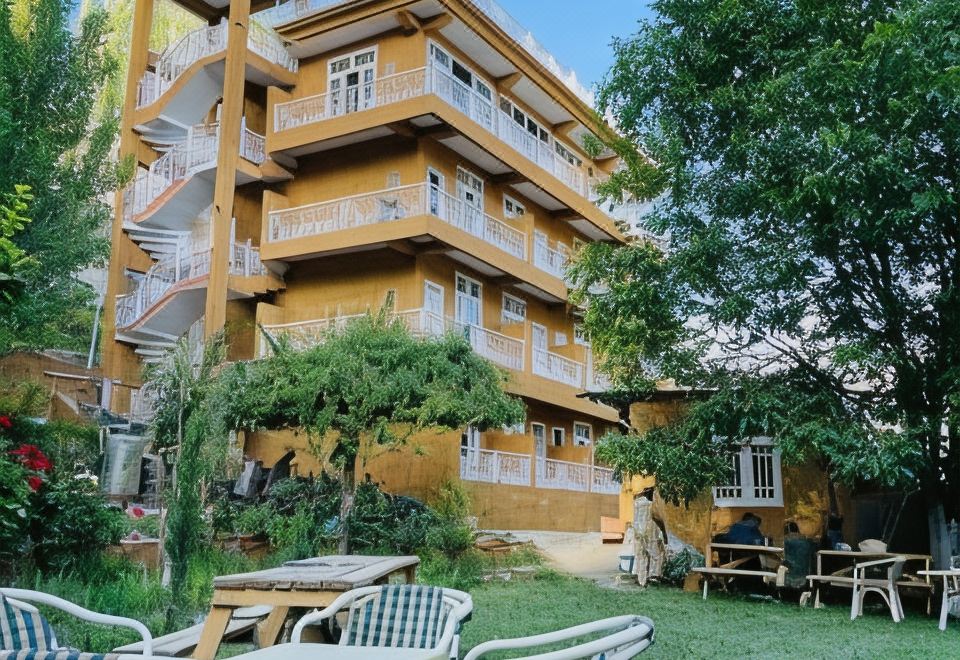
Situated in the heart of Karimabad, the Karakorum View Hotel is a favorite for tourists who want to be close to the local culture and markets.
Key Features: As the name suggests, the hotel offers expansive balconies with 360-degree views of the Karakoram Range, including the majestic Rakaposhi.
Experience: It is highly rated for its hospitality and its central location, making it easy to walk to the Baltit Fort and the local bazaar.
Fun And Sports Activities
1. Adventure & Outdoor Activities
Mountaineering & Climbing: Home to five of the world’s 14 “eight-thousanders,” including K2 and Nanga Parbat. Professional climbers flock here for expeditions, while others take on “seven-thousanders” like Rakaposhi.
Trekking: Iconic routes include the K2 Base Camp (Concordia) trek, the Baltoro Glacier, and the trek to Fairy Meadows, which offers a stunning view of Nanga Parbat.
Water Sports: You can go boating, jet-skiing, or kayaking on the turquoise waters of Attabad Lake. For white-water rafting, the Indus and Shyok rivers provide world-class rapids.
Winter Sports: Naltar Valley is famous for its ski slopes and hosts international skiing competitions.
Jeep Safaris: Take a rugged off-road journey across the Deosai Plains, the second-highest plateau in the world, or drive the legendary Karakoram Highway (KKH) to the Khunjerab Pass (the world’s highest paved border crossing).
2. Cultural & Historical Exploration
Historic Forts: Visit the 700-year-old Baltit Fort and the Altit Fort in Hunza. In Baltistan, the Shigar Fort and Khaplu Palace have been restored into heritage hotels where you can stay.
Ancient Rock Carvings: Explore the Kargah Buddha, a 7th-century rock carving near Gilgit, and the ancient petroglyphs along the KKH that date back to the Silk Road era.
Local Festivals: * Shandur Polo Festival (July): Watch “freestyle” polo played on the world’s highest polo ground.
Nowruz & Harvest Festivals: Experience traditional music, folk dances (like the sword dance), and local hospitality during seasonal celebrations.
Culinary Tours: Try traditional mountain dishes such as Chapshuro (meat-filled bread), Mamtoo (dumplings), and local apricot-based desserts.
3. Nature & Relaxation
Stargazing: With almost zero light pollution, remote areas like Fairy Meadows and Deosai offer some of the best views of the Milky Way.
Wildlife Spotting: Khunjerab National Park is a sanctuary for rare species like the Snow Leopard, Himalayan Ibex, and Marco Polo sheep.
Photography: The region is a photographer’s dream, especially during the Cherry Blossom season (March/April) or the Autumn season (October/November) when the valleys turn vibrant shades of gold and orange.
Essential Tips for International Tourists
Permits: Most international visitors require a Standard GB Permit or a No Objection Certificate (NOC) for certain restricted areas near borders. Check with a local tour operator for the latest regulations.
Guides: Hiring a local licensed guide is highly recommended for safety on treks and to better navigate cultural nuances.
Best Time to Visit: May to October is ideal for most activities. June to August is the peak season for high-altitude trekking.
Top-Rated Tour Operators (2026)
These companies are well-known for handling logistics, visa support (invitation letters), and English-speaking staff.
Hunza Adventure Tours: One of the most established local operators. They offer everything from Cherry Blossom tours (March-April) to full K2 Base Camp expeditions. They are highly praised for their “local insider” knowledge.
Apricot Tours: Known for professional management and eco-friendly initiatives (like their tree-planting program for every foreign trekker). They offer diverse packages including the Nagmah Valley Trek and 12-day Gilgit-Baltistan road trips.
Epic Expeditions: A great choice for travelers looking for “raw adventure” and authentic cultural immersion. They often include stays in remote mountain villages and specialized treks like the Patundas Meadows.
Trango Adventure: With over 40 years of experience, they are a solid choice for mountaineering and trekking. They provide all-inclusive 11–13 day tours of the Hunza Valley starting from Islamabad.
Nature Adventure Club (NAC): Offers a wide range of budget to luxury options, including specific packages for Skardu, Deosai, and Fairy Meadows.
Finding Professional Guides
If you prefer a more personal experience or are a solo traveler, you can hire independent licensed guides.
| Guide Name | Specialization | Location Base |
| Karim Shah Nizari | Climbing, Skiing, Paragliding | Hunza / Gilgit |
| Saleem Jaffar | Adventure & Cultural Tours (15+ years exp) | Gilgit |
| Murtaza Baig | Professional Trekking | Hunza |
| Sajid Imrani | Local Skardu & Baltistan Expert | Skardu |
| Yahya Khan Thalavi | High-altitude Trekking | Skardu |
Pro Tip: You can find and message many of these guides directly through platforms like tourHQ, where you can read verified reviews from other international travelers.
Important Logistics for International Travelers
Visa & NOC: Most tour operators listed above will provide the Letter of Invitation (LOI) required for your Pakistani tourist visa. Some restricted areas (near borders) may require a No Objection Certificate (NOC), which your operator will handle.
Transport: For a smoother experience, consider flying from Islamabad to Gilgit or Skardu. Flights are weather-dependent, but they save you a 15–20 hour drive.
Booking: For peak season (June–August), it is best to book at least 3–4 months in advance, especially for high-altitude treks.
Potential Banking And Taxi Apps
1. Taxi & Ride-Hailing Apps
Standard ride-sharing apps are extremely limited in Gilgit-Baltistan. You should not rely on them once you leave the airport.
InDrive: This is the most likely app to have some activity in Gilgit City and Skardu, but drivers are scarce. In GB, it is mostly used for city-to-city travel rather than short hops.
Careem/Bykea: Unavailable. Careem suspended its ride-hailing operations in Pakistan in late 2025.
The Reality: In Hunza, Skardu, and Gilgit, the standard practice is to use local taxi stands (locally called “Addas”).
Indy/Local Cabs: You will find small yellow or white cabs. It’s best to negotiate the fare before getting in.
Hotel Shuttles: Most hotels in Hunza and Skardu have “on-call” drivers. This is often the safest and most reliable way for tourists to move around.
2. Banking & Payment Apps
Foreigners often struggle to open local bank accounts because they require a Pakistani CNIC (ID card). However, you can use these digital workarounds:
SadaPay / NayaPay: These are “neobanks.”
Can you use them? If you have a POC (Pakistan Origin Card) or NICOP, you can sign up easily. If you are a standard international tourist on a foreign passport, you generally cannot open a full account.
Best Use: If you have a local friend, they can use these apps to pay for your local bills, food, or shop via QR codes (which are now everywhere in Hunza and Gilgit).
International Cards (Visa/Mastercard): * Major hotels, high-end restaurants in Hunza, and fuel stations in Gilgit/Skardu now accept international cards.
ATM Access: Use ATMs from HBL (Habib Bank), NBP (National Bank), or Bank Alfalah. These are the most reliable in the north for international “Chip & PIN” cards.
JazzCash / EasyPaisa: These are mobile wallets linked to local SIM cards. While you usually need a local ID to create an account, you can use them as a “guest” to pay at shops if you have a local SIM, but it’s often easier to just use cash.
3. Connectivity (Crucial for Apps)
None of these apps will work without a data connection.
SCOM: This is the only reliable network in Gilgit-Baltistan. Zong, Jazz, and Telenor have very poor coverage once you leave the main Gilgit/Skardu cities.
Tourist SIM: You can get an SCOM SIM card at the Gilgit or Skardu airports or the main SCOM office by showing your passport and visa.
Summary Table
| Service | Recommended App/Method | Availability in GB |
| Short Rides | Local Yellow Taxis | High (in towns) |
| Long Distance | InDrive (Intercity) or Local Jeep Hire | Moderate |
| Cash Withdrawal | HBL or Bank Alfalah ATMs | High (Cities only) |
| Digital Payment | Visa/Mastercard or Cash | Moderate |
Best Flight Booking
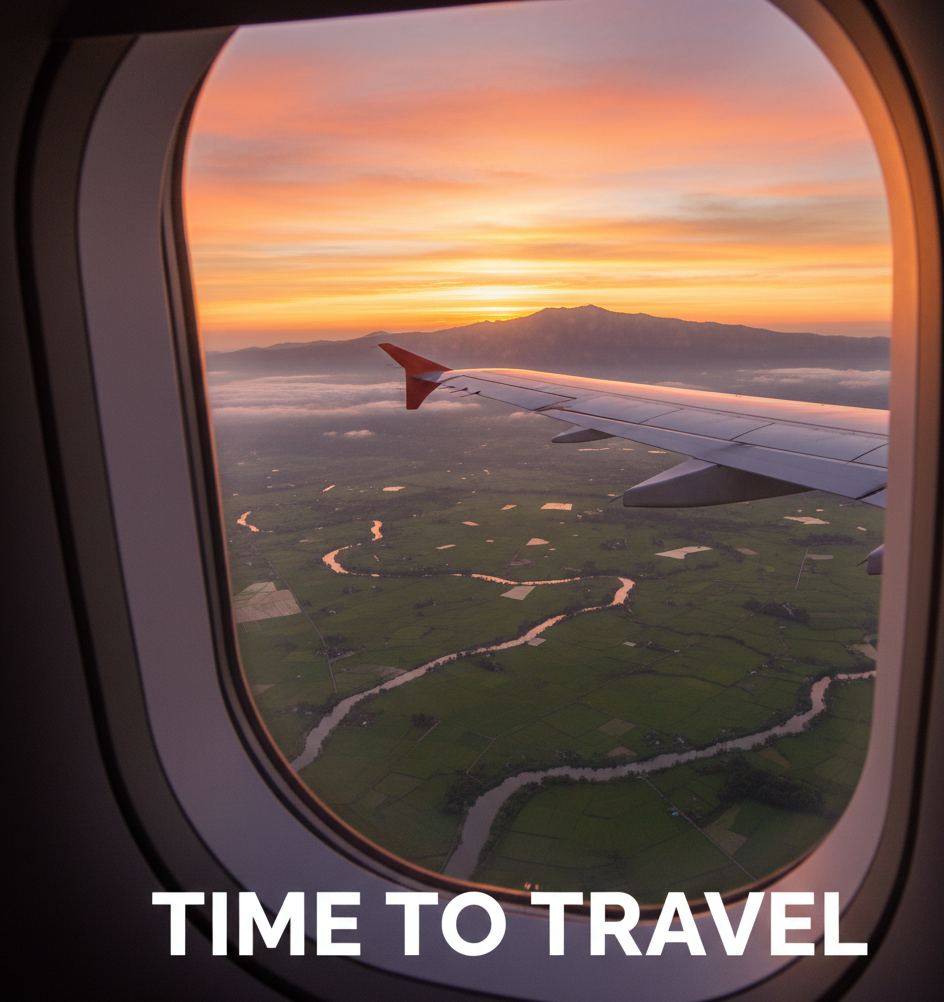
BY CLICKING THIS BUTTON YOU CAN BOOK FLIGHTS AT CHEAPER PRICE AND IN EFFICIENT WAY FROM TRIP.COM .
Conclusion: An Unrivaled Alpine Odyssey
Gilgit-Baltistan stands as a paramount destination for the intrepid traveler, offering a sublime synthesis of raw natural grandeur and profound cultural heritage. Whether you are navigating the monolithic peaks of the Karakoram, traversing the ethereal landscapes of the Deosai Plains, or immersing yourself in the ancestral traditions of the Hunza Valley, the region promises an experience that is both transformative and incomparable.
By leveraging local expertise and embracing the vibrant hospitality of the North, international tourists can unlock a world of pristine beauty that remains one of the globe’s last true wilderness frontiers. Gilgit-Baltistan is not merely a destination; it is a definitive journey into the heart of the mountains.